Culture
In Morocco, Christmas is not a national holiday, which is common across Muslim-majority North Africa. However, with increasing Western tourism and European expats choosing to reside here, Christmas celebrations are gradually weaving into the cultural fabric of this Islamic nation. Christmas and New Year in Morocco Each winter, tourist cities like Marrakech become incubators of
Tour Designer & PR
Published on August 16, 2024 · Updated on July 27, 2026
Tour designer specializing in creating personalized Morocco itineraries. Expert at matching traveler preferences with unforgettable experiences.
In Morocco, Christmas is not a national holiday, which is common across Muslim-majority North Africa. However, with increasing Western tourism and European expats choosing to reside here, Christmas celebrations are gradually weaving into the cultural fabric of this Islamic nation.
Christmas and New Year in Morocco
Each winter, tourist cities like Marrakech become incubators of cross-cultural festivities: five-star hotels host Christmas Eve galas, expat families organize private gatherings, and Christian churches hold midnight mass. Christmas trees adorned with ornaments appear in luxury riads, French bakeries fill the air with the scent of roasted chestnuts, and artisan shops sell original greeting cards blending Berber patterns with holiday motifs. These fragmented holiday scenes not only comfort travelers with a sense of home but are also reshaping Morocco’s winter tourism landscape—creating a unique North African Christmas experience where the call to prayer from mosques harmonizes with strains of “Silent Night.”
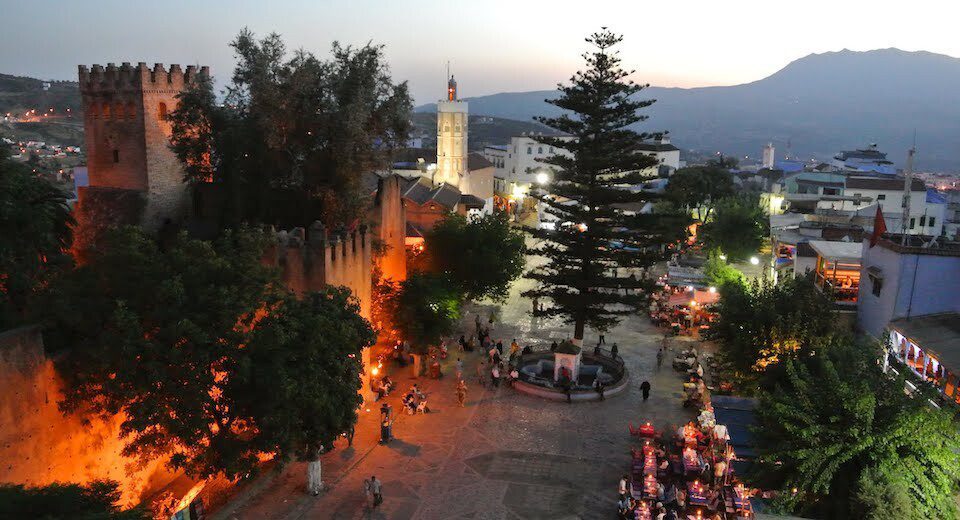
In larger cities like Tangier and Casablanca where Catholic churches are present, one can attend midnight Mass services similar to the traditional “Messe de Minuit” celebrated in Europe. However, such ceremonies become nearly impossible to find in rural areas, where the population is almost entirely Muslim. If traveling in Morocco during Christmas, visitors in major cities can seek out these churches to experience celebrations where arched corridors and candlelight create a warmth that transcends faith.
It’s worth noting that Morocco officially celebrates the New Year according to the Islamic calendar. On this day, government institutions and shops close, and some citizens climb to mountain peaks to witness the first dawn of the new year. Generally, following tradition, this sacred day is spent within the family circle, with no public entertainment activities held across the country—only prayers and quiet family gatherings at dusk, presenting a profoundly different way of marking the new year compared to modern celebrations.
In Morocco, while Islamic traditions are deeply revered, the growing tourism industry has fostered an open attitude toward celebrating the Gregorian New Year with visitors from around the world. On December 31st, luxury hotels and nightclubs transform into stages for cross-cultural festivities—featuring international celebrity performances, tailored entertainment programs, and champagne dinners that create unforgettable nights. New Year’s Eve dinner prices range from 50 to 150 euros depending on the hotel category, consistently reflecting the Moroccan characteristic of hospitality: maintaining respectful boundaries while radiating genuine warmth.
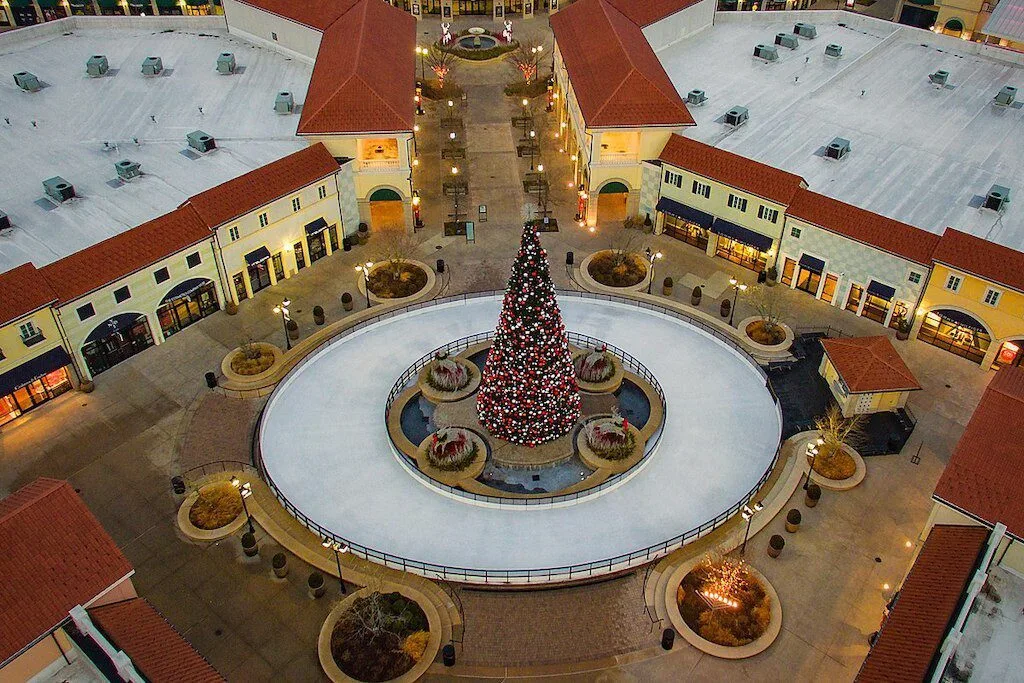
These celebrations are typically refined and discreet, never overwhelming the local cultural landscape. Thus, you won’t find traditional nativity scenes, Christmas trees, or streets draped with colorful lights and garlands—the symbols that illuminate many cities worldwide during this season. Instead, more subtle celebrations take their place: perhaps blessings shared over mint tea, or carefully arranged parties within hotels that create familiar holiday ambiance for visitors while respecting local traditions, demonstrating Morocco’s unique approach to blending global customs with cultural preservation.
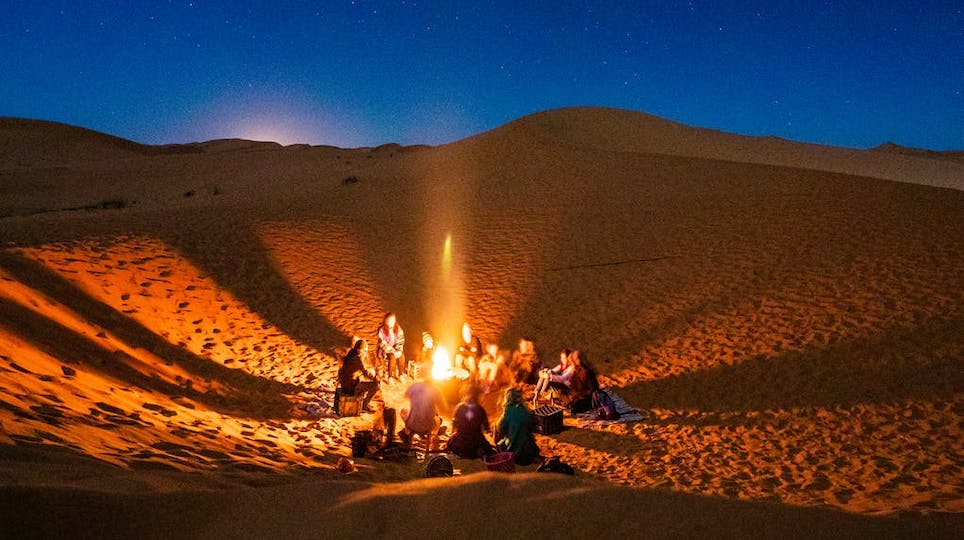
Welcoming the New Year in the Sahara Desert offers a truly unique experience that will stay with you for a lifetime. When the urban noise is replaced by endless starry skies, there may be no neon lights or party frenzy, but there exists a celebration that touches the soul more profoundly.
Although the desert shows no signs of the year’s end, the Berber people extend unparalleled hospitality: improvising bells with tea trays and pot handles, serving New Year’s feasts several times more abundant than usual around campfires. Golden couscous is topped with cinnamon-scented lamb, saffron chicken and dried fruit-camel meat create a sweet-savory fusion, while fresh mint tea cuts through the richness of pastries—each dish becomes a symphony of spices and human warmth. As Gnawa musicians pluck their three-stringed guembris by the fire, ancient rhythms spin with the Big Dipper across the night sky, evoking cross-cultural emotions through intoxicating melodies.
For those seeking winter sports, the Atlantic coast welcomes peak surfing season. Although January temperatures rarely exceed 23°C, the Essaouira resort sees towering winter waves. Here, no Christmas carols are heard, but the roaring swells and whistling wind compose the wildest New Year’s anthem for surfers riding the waves.
While Morocco in winter may not be ideal for classic beach holidays, it unveils itself as a golden season for cultural discovery. This is the perfect time to wander through the alleyways of Marrakech, absorbing tales of old in the warm sunlight of Jemaa el-Fna Square, or to venture into the Sahara Desert where comfortable temperatures make exploring the golden dunes a delight.
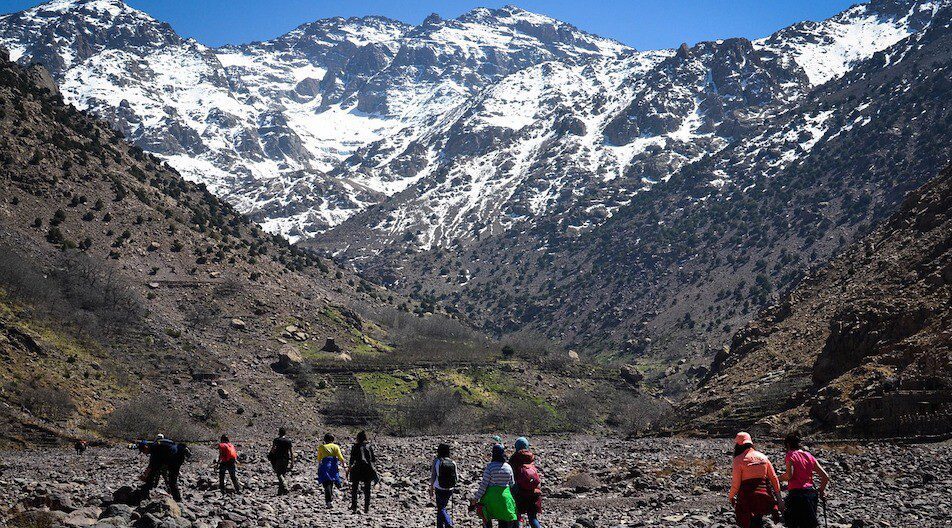
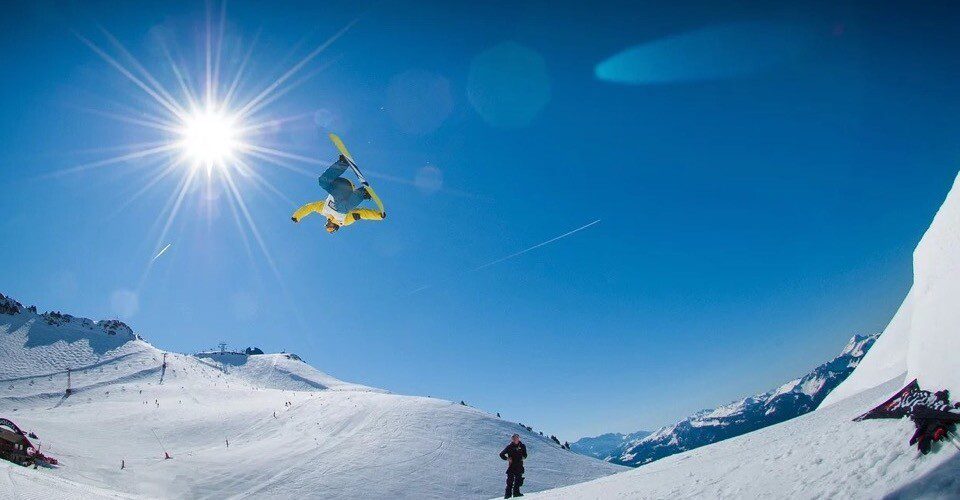
What comes as a truly unique surprise is the winter wonderland hidden in the** Atlas Mountains**. If you can’t imagine a New Year without snowy landscapes, head to the Oukaimeden Ski Resort and glide down slopes at 2,600 meters above sea level. As you descend from snow-capped peaks, the surreal panorama of palm trees against white mountain ranges creates a magical contrast—where desert and snow exist just hours apart—revealing Morocco’s most enchanting winter sorcery.
Plan a winter escape with a fully private itinerary — see our 12-day grand tour or browse all Morocco tours , or contact us to customise dates and destinations.
Contact us for more travel information!
Related Posts
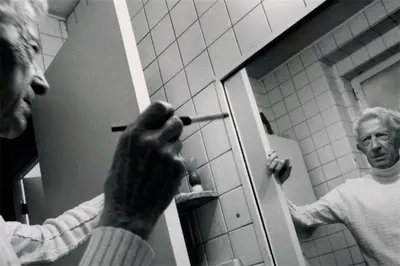
Paul Bowles – The American writer who brings us Morocco
Have you encountered the work of Paul Bowles? This American writer, composer, and inveterate traveler is the perfect guide to the soul of Morocco. Let his words transport you to its sun-drenched lands while you await your next journey. The relationship between Paul Bowles and Morocco represents a profound mutual fulfillment in 20th-century literary history.
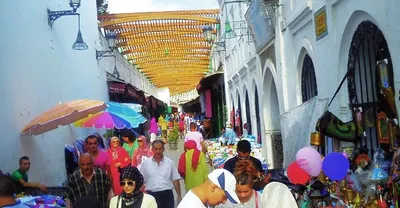
Enjoying a solo trip in Morocco
Traveling alone is a profound practice of self-dialogue. Journeying is the best way to broaden your horizons, draw inspiration, and transform your life into a story that inspires others. Solo travel allows you to rediscover your true self through unexpected surprises and encounters along the way. If traveling alone is so rewarding, and you seek
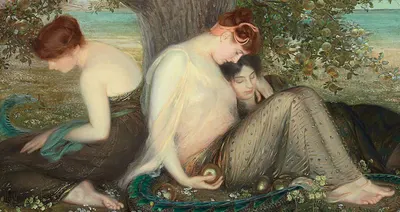
Ancient Myths of Morocco
In Morocco, several Greek myths and legends have left their traces. The Greeks thought that the oceans formed a belt of water delimiting the world. The geographical position of Morocco, at the western end of the known world, made it a land of confines. Morocco has thus nourished the legend of Greek mythology. The rational