Culture
Fes, Morocco’s oldest imperial city and spiritual backbone, preserves the world’s most intact medieval urban fabric. This largest Medina in North Africa functions as a living archaeological site, where nearly ten thousand winding alleys form a labyrinth saturated with the symphony of human voices, music, and the layered scents of spices and leather. As the
Tour Specialist & Advisor
Published on August 16, 2024 · Updated on July 27, 2026
Originally from China, Thea has explored Morocco extensively for over 10 years. She specializes in recommending hidden corners from North to South.
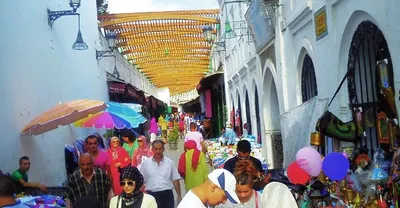
Fes, Morocco’s oldest imperial city and spiritual backbone, preserves the world’s most intact medieval urban fabric. This largest Medina in North Africa functions as a living archaeological site, where nearly ten thousand winding alleys form a labyrinth saturated with the symphony of human voices, music, and the layered scents of spices and leather.
As the guardian of Morocco’s cultural memory, Fes embeds millennia-old traditions into contemporary life: coppersmiths’ hammers still follow ancient rhythms, tanners soften leather using time-honored methods, and potter’s wheels give birth to the world-renowned “Fes Blue” ceramics. Outside the Medina gates, the ‘Fès Blue’ cooperative perpetuates millennium-old glazing techniques, where cobalt patterns flow across pottery like frozen galaxies. Every manufacturing process here becomes a ritual honoring time, allowing modern travelers to touch the pulse of medieval craftsmanship in the 21st century.
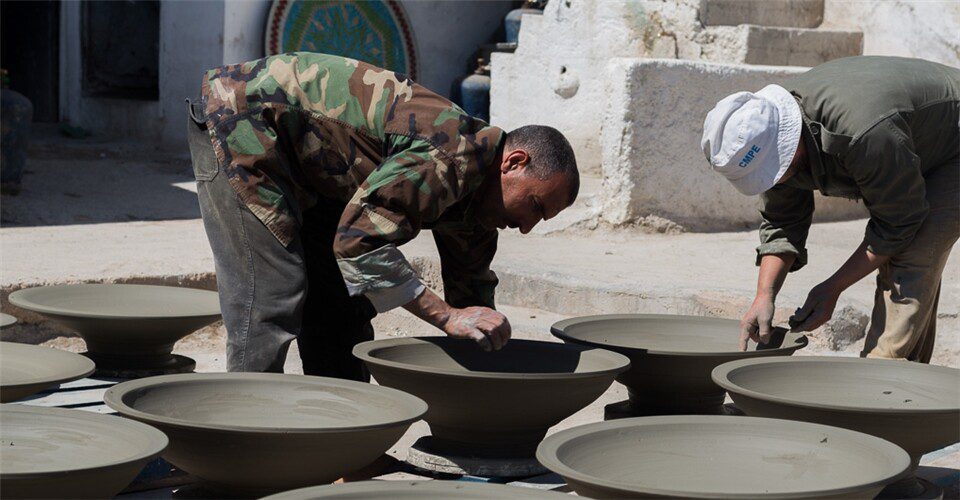
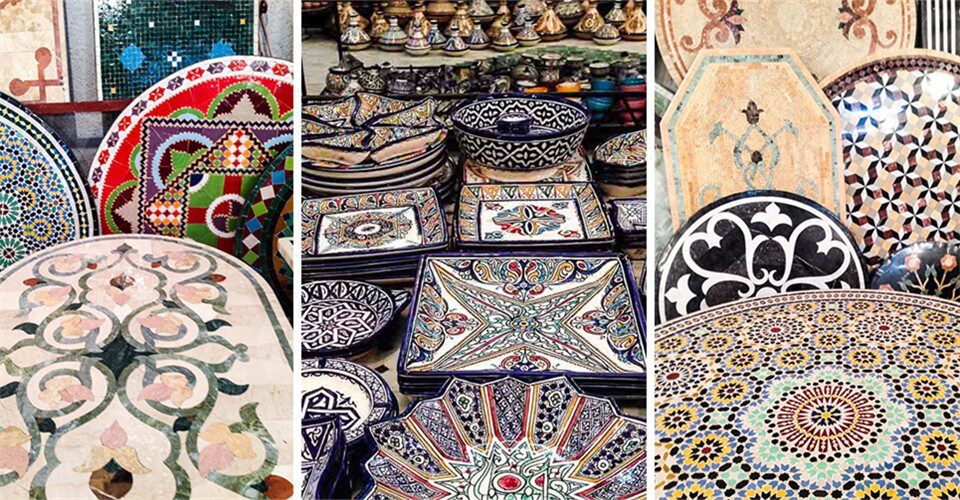
The creation of each Moroccan ceramic piece unfolds as a dialogue with millennia-old traditions. Every step remains meticulously manual—from kneading the local clay to painting intricate designs, artisans employ ancient techniques: oak molds imprint geometric patterns, horsehair brushes dipped in natural mineral pigments trace ancestral symbols onto raw clay. When pieces enter traditional pit kilns, they undergo a three-day alchemical transformation fueled by olive branches, where cobalt blue patterns develop mesmerizing tonal variations through firing. This refusal of industrial replication is what makes Moroccan ceramics globally coveted for interior and exterior decoration—each crackle-glaze carries the fingerprint of time, every piece preserving the warmth and soul of the handcrafted era.
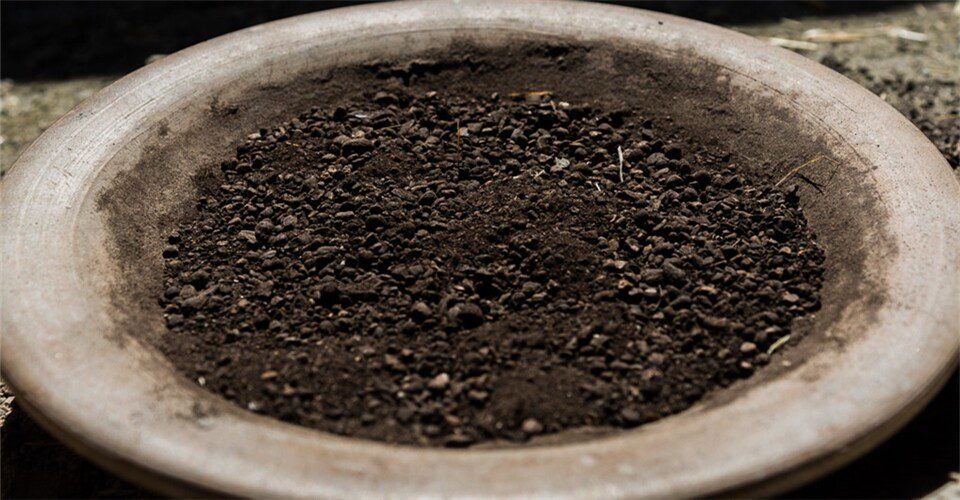
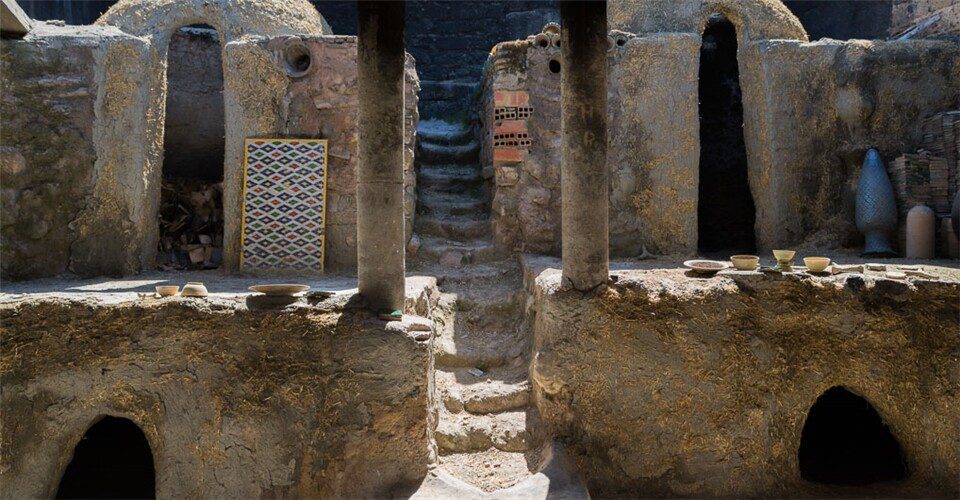
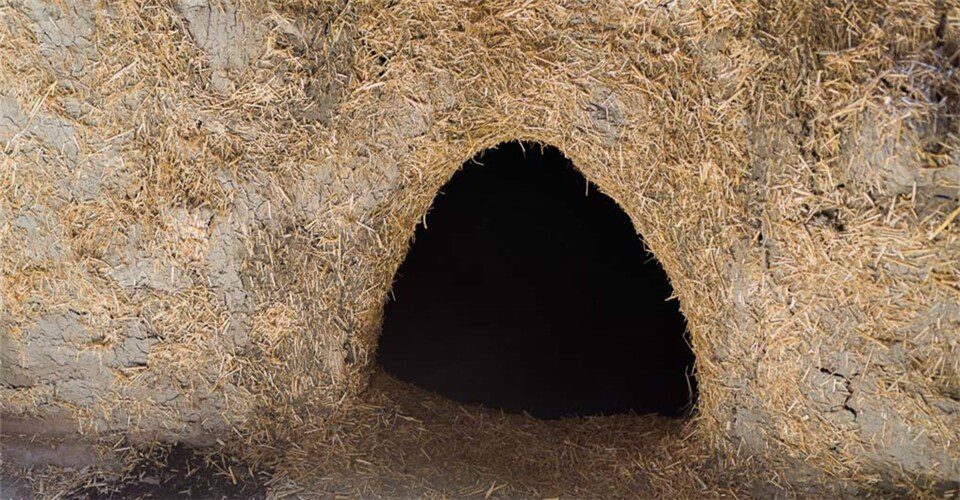
In Moroccan pottery workshops today, ancient sustainable practices remain vibrantly alive: crushed olive pits serve as specialized fuel for traditional adobe kilns. This natural biomass generates a steady, gentle flame that helps ceramic glazes develop jewel-like luster during firing.
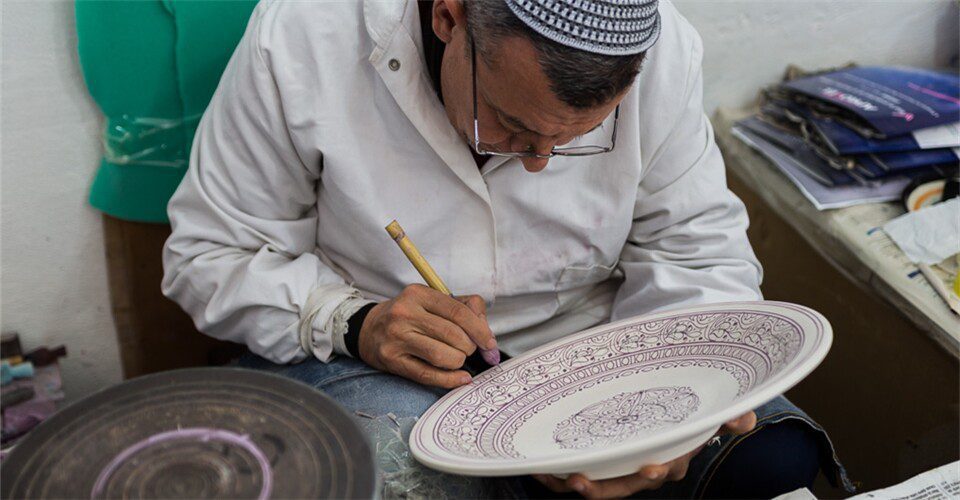
Every decorative motif is applied freehand without stencils or templates, relying entirely on the artisan’s creativity and precision. Their brushes dance across clay surfaces with generations of embodied knowledge—capable of faithfully reproducing ancestral patterns while spontaneously incorporating contemporary aesthetics. As cobalt-blue pigments flow across the clay canvas, each winding line becomes a unique life trajectory, transforming geometric symbols into living art where mathematical precision embraces human touch, making Moroccan ceramics both timeless antiquities and vibrant contemporary artworks.
The mosaics that adorn buildings with enchanting, ornamental urban landscapes are also meticulously crafted by hand in local workshops. In the ancient studios of Fez and Marrakech, artisans use ancestral chisels to shape colored clay into hundreds of geometric fragments, then assemble them in wet plaster like solving cosmic puzzles. Each Zellij mosaic represents a meditation in mathematics and faith—rhombuses and stars recompose according to the Quranic principle of infinite extension, turquoise blue echoes desert oases, and ochre red springs from the soil of the Atlas Mountains. When sunlight filters through mosque lattices, these handmade mosaics cast undulating carpets of light across walls, making solid architecture dance eternally with shifting shadows.
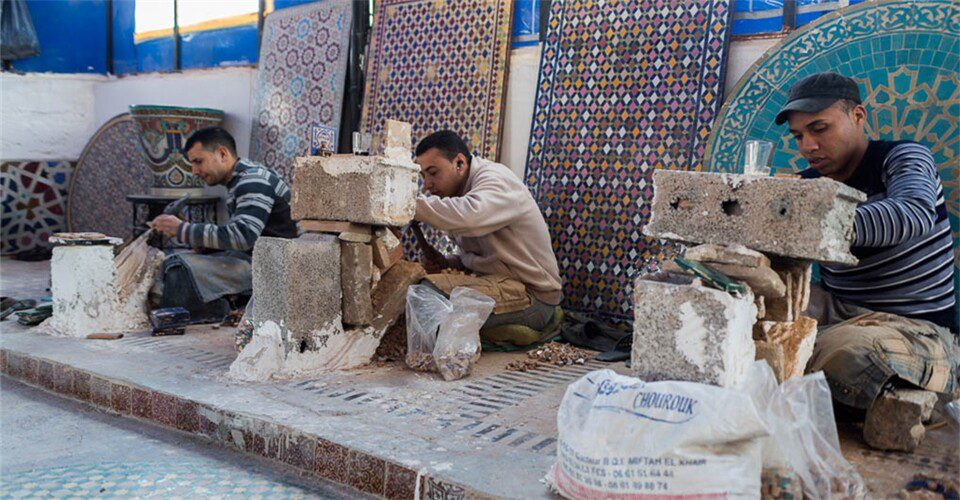
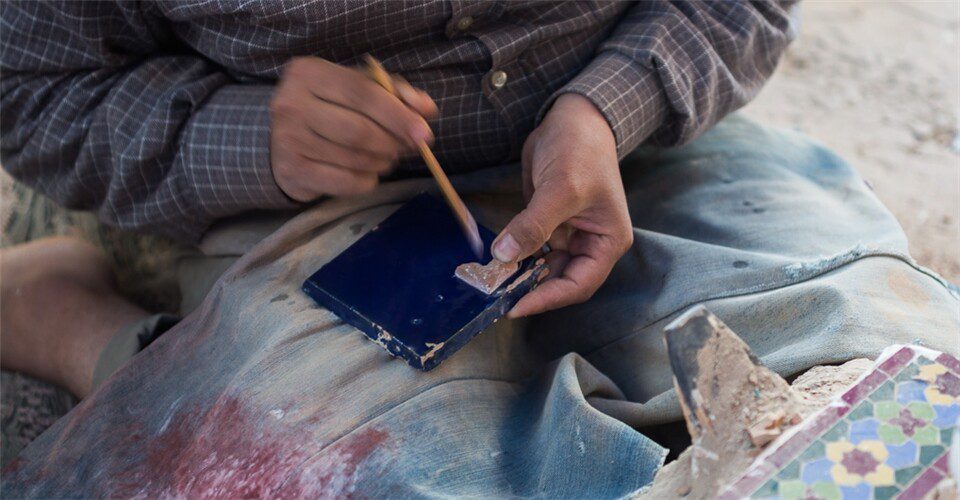
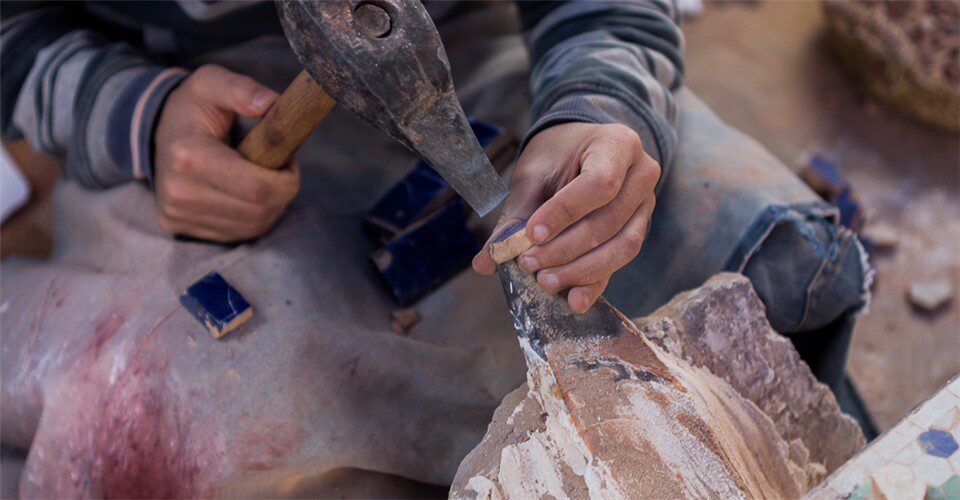
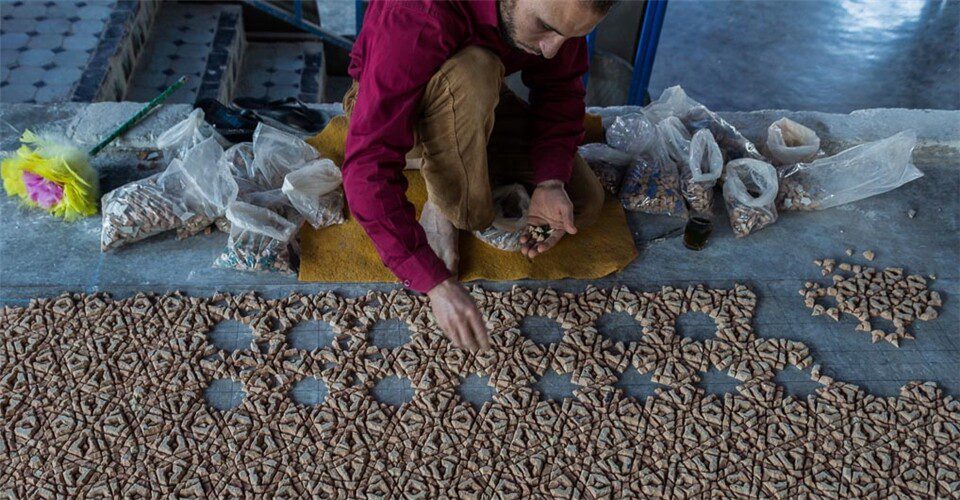
These meticulously crafted treasures, born from millennia of artistry, can be acquired at astonishingly accessible prices in their place of origin. Deep in the alleys of Fez Medina, a hand-chiseled mosaic fragment may cost merely a few dozen dirhams; in Marrakech souks, a traditional tagine often carries the price of a coffee. This affordability doesn’t diminish their artistic worth but reflects the unique nature of Morocco’s cultural ecosystem—when you receive a pottery piece still warm from the artisan’s hands, your payment transcends mere commerce to become guardianship of living heritage, ensuring these ancient heartbeats continue pulsing through modern life.
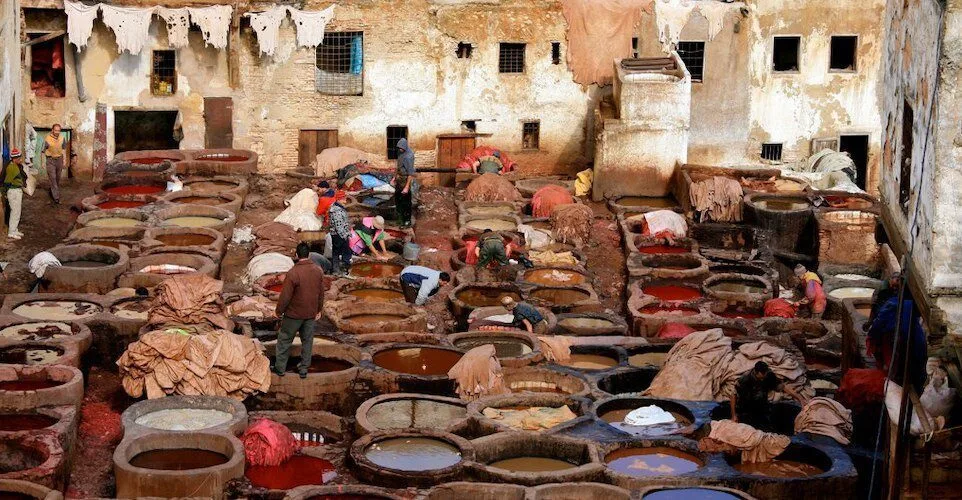
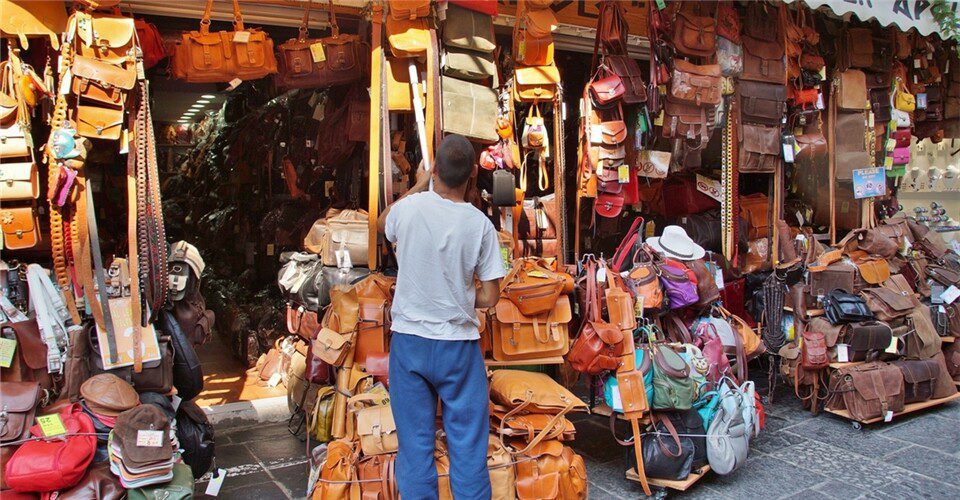
Leathercraft represents another brilliant cultural card in Fes’s hand. The traditional tanneries located in the city center resemble giant natural palettes, continuing leather tanning methods unchanged for centuries. These tanneries not only supply raw materials for the city’s shoemakers, tailors, and artisans but also stand as one of the most visually striking tourist attractions.
When you ascend to the tannery viewing platforms, you’ll witness a chromatic ritual transcending time: artisans move gracefully among stone dye vats, immersing cowhide, sheepskin, and camel leather sequentially into white (pigeon dung and lime mixture for degreasing), red (poppy flowers and saffron), yellow (turmeric and saffron), and brown (river mud and bark tannin) natural dyes. The air carries the refreshing scent of mint leaves—thoughtful offerings locals provide to counter the leather’s aroma. These sun-drenched, color-saturated hides eventually transform into exquisite boots, handbags, and traditional babouche slippers, continuing to tell Fes’s ancient stories through the labyrinthine alleys of the Medina.
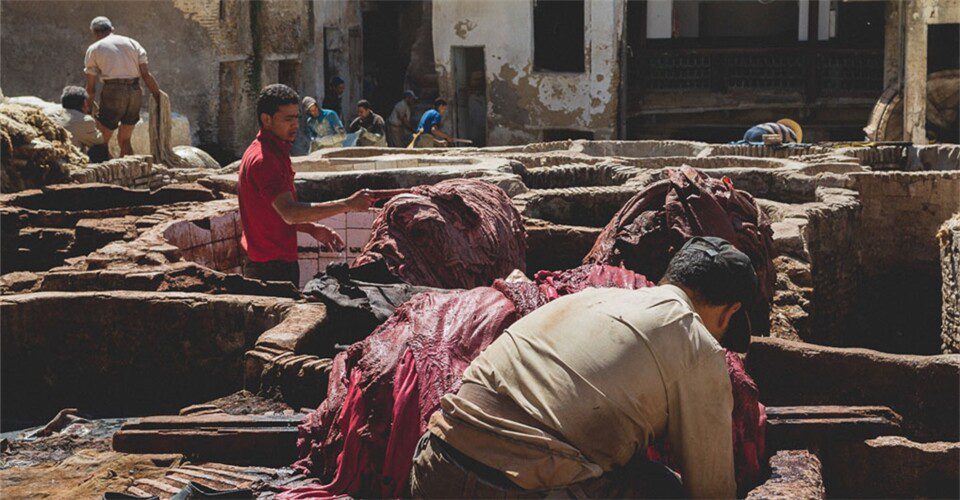
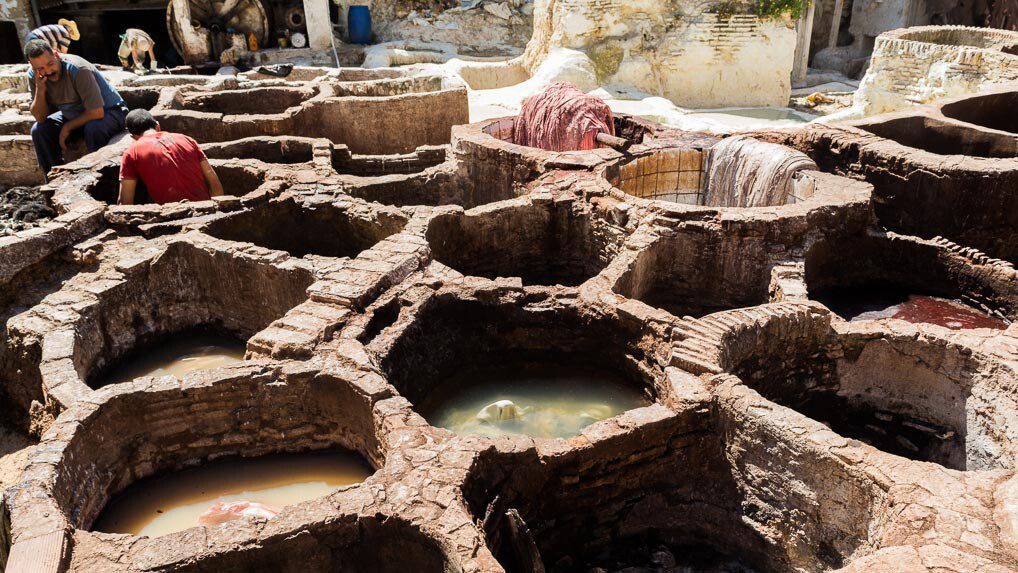
The entire production process from raw material to finished product completes a full local cycle. This represents not merely leather tanning, but a comprehensive ecological loop: freshly harvested hides are first soaked in plant ash for hair removal, with carefully sorted wool woven into jacket linings; the leather then undergoes degreasing and softening in pigeon dung and lime mixtures before entering natural plant dye vats. Even trimmed leather scraps are repurposed into glue or decorative tassels. This zero-waste production model carries ancient sustainable wisdom in every step, forming a production philosophy that exists in symbiosis with nature.
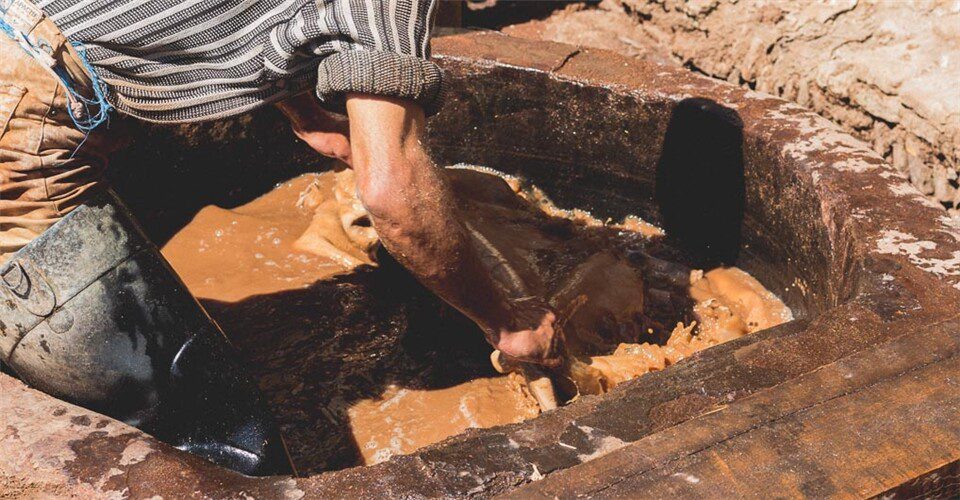
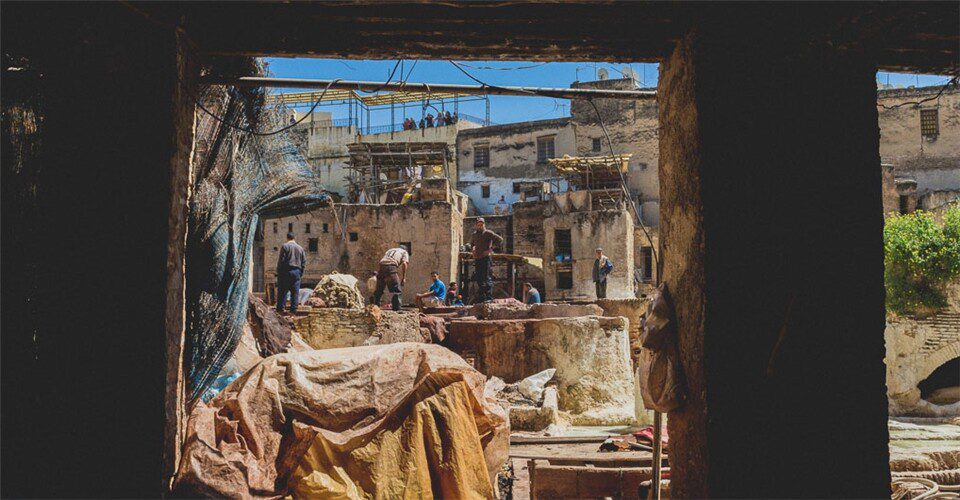
In Fes, leather goods shops spread through the Medina like capillaries. Our guide will become your cultural compass, leading you through labyrinthine alleys to discover legendary workshops hidden behind centuries-old archways. They’ll not only help you distinguish craftsmanship levels of embossed leather carvings and hand-stitched seams but also share local market prices—enabling you to acquire story-filled leather pieces at fair values, so you can buy thoughtfully — balancing fair negotiation with real respect for traditional craftsmanship.
In the heart of Fes’s labyrinthine Medina, copper craftsmanship represents another traditional skill flowing through the city’s veins. Artisans work under open skies, their hammers beating out an age-old rhythmic cadence that forms the authentic heartbeat of the ancient city. Each hand-hammered mark serves as a unique signature—brass tea trays capturing the warmth of sunlight, copper tagine lids preserving the artisan’s breath. These objects pulsating with life’s rhythm come closer to the essence of true art than any flawless industrial product ever could.
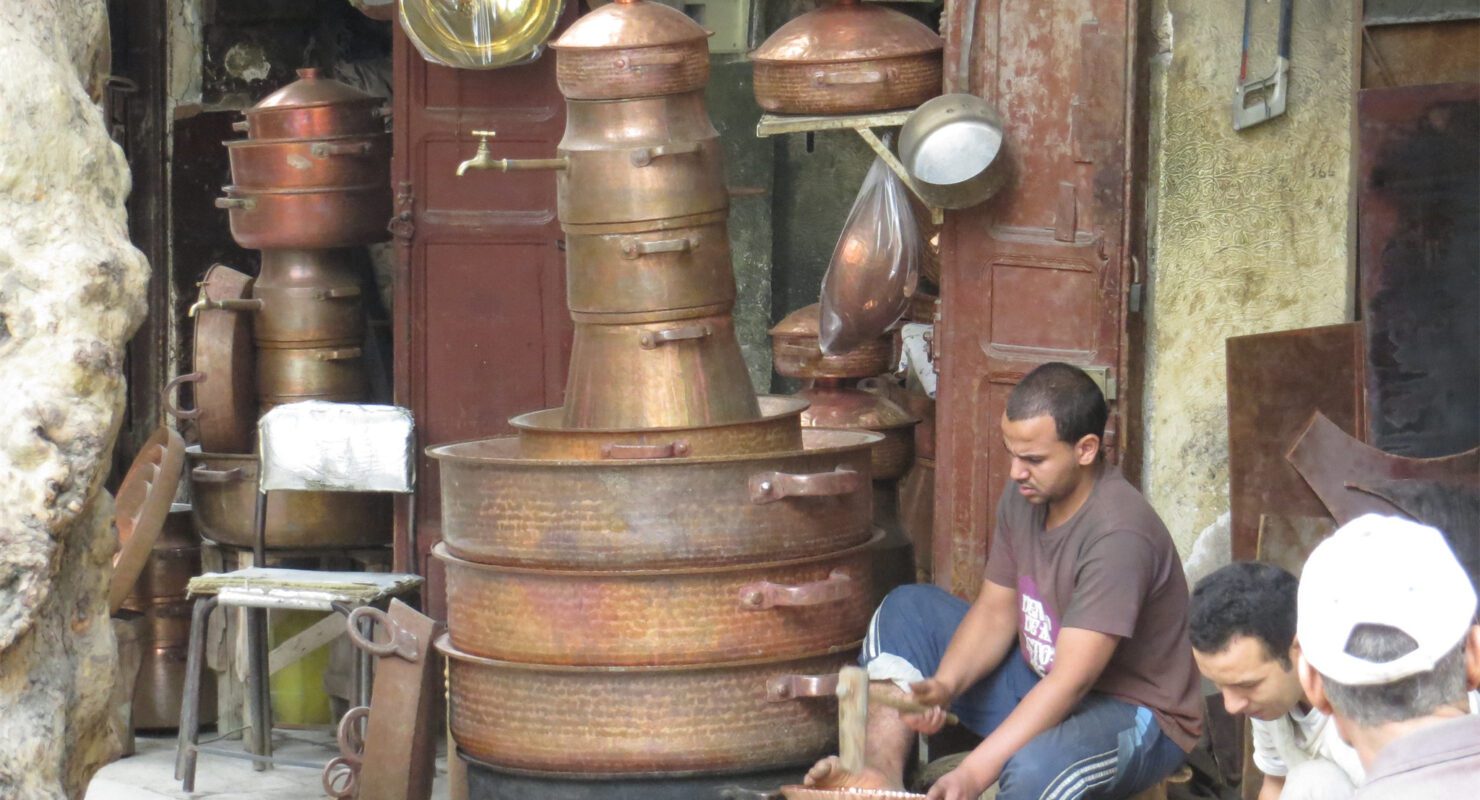
Fes stands as a living museum of Moroccan craftsmanship: its ancient tanneries spread rainbow-colored vats under the sun, where artisans transform hides into fragrant leather using millennia-old techniques; the rhythmic hammering of coppersmiths echoes through labyrinthine alleys, imprinting time itself onto each hand-forged vessel; cobalt-blue ceramics perpetuate Berber geometric codes, while Zellij mosaics assemble tens of thousands of hand-chiseled tiles into the eternal rhythm of Islamic aesthetics. These arts flowing from artisans’ fingertips transform Fes from merely a city into a breathing epic of civilization.*
Discover Fes and the imperial cities with our Imperial Cities and Desert tour or the 12-day grand tour . Browse all tours .
Contact us for more travel information!
Related Posts
Paul Bowles – The American writer who brings us Morocco
Have you encountered the work of Paul Bowles? This American writer, composer, and inveterate traveler is the perfect guide to the soul of Morocco. Let his words transport you to its sun-drenched lands while you await your next journey. The relationship between Paul Bowles and Morocco represents a profound mutual fulfillment in 20th-century literary history.
The Moroccan Dances
The Kingdom of Morocco is a very colorful country. Its ancient history, unique culture and a special spirit that does not resemble anything attract tourists from all over the world. Moroccan national dances, which differ in great variety, can become an interesting topic. So let’s get acquainted with them of a North African country. What, where
Enjoying a solo trip in Morocco
Traveling alone is a profound practice of self-dialogue. Journeying is the best way to broaden your horizons, draw inspiration, and transform your life into a story that inspires others. Solo travel allows you to rediscover your true self through unexpected surprises and encounters along the way. If traveling alone is so rewarding, and you seek