Travel Planning
A season-by-season guide to Morocco, including the best months for the Sahara, imperial cities, Atlas Mountains, coast and private tours.
Tour Designer & PR
Published on July 2, 2026 · Updated on July 27, 2026
Tour designer specializing in creating personalized Morocco itineraries. Expert at matching traveler preferences with unforgettable experiences.
Morocco can be visited in every month of the year, but the best time to travel depends entirely on the route you want. A desert-focused trip has different needs from a coastal holiday. A city tour works in almost any season. A mountain itinerary depends on elevation and snowfall. Getting the timing right is less about finding a universally perfect window and more about matching the season to the experience.
As a general guide, the most comfortable and versatile travel months are March to May and September to November. These seasons offer pleasant temperatures, good natural light, comfortable desert nights and enjoyable long driving days. But every season has real advantages, and a well-designed private itinerary can be adapted to any month.
Pair this with: How many days do you need in Morocco? and the Marrakech to Fes desert tour
Spring: March, April and May
Spring is one of the two best overall seasons for Morocco. The days are warm without being oppressive, the valleys can be green after the winter rains, and the quality of light is beautiful for photography. It is an excellent season for combining almost any elements of Morocco: imperial cities, the Sahara, the Atlas, Chefchaouen or the coast.
Spring works particularly well for longer circuits of ten to fourteen days that need comfortable temperatures throughout. Because it is a popular season, the best riads and desert camps book up — planning ahead is worth it.
Summer: June, July and August
Summer in Morocco is genuinely hot, particularly in Marrakech, Fes, the inland valleys and the desert. Temperatures regularly exceed 40°C in the south during July and August. This does not mean summer travel is impossible, but the itinerary needs adjustment.
The Atlantic coast — and Essaouira especially — stays significantly cooler thanks to the ocean breeze, and makes an excellent base for summer travel. City sightseeing works best in the early morning and late afternoon when the heat eases. Mountain areas and higher-altitude routes are also more manageable. In private tours, we can plan driving days to avoid the harshest midday heat, and choose riads and hotels with pools or shaded courtyards.
Summer is the one season we would not recommend a Sahara Desert camp without a clear-eyed discussion about the heat. That said, some travellers specifically seek it.
Autumn: September, October and November
Autumn is the other great season for Morocco. After the peak summer heat, the country cools into its most comfortable travelling weather. The desert is particularly beautiful in October — the light is warm, the nights are cool, and the dunes glow in the low afternoon sun.
October and November are ideal for longer circuits that combine the imperial cities, the desert, the oasis valleys, Chefchaouen and the Atlas Mountains. The weather is balanced across all these different environments, which matters on routes that cross significant altitude changes. Many of our guests who have visited in both spring and autumn say October is their favourite month in Morocco.
Winter: December, January and February
Winter in Morocco is underrated. The days are often sunny and clear, particularly in the south and along the Atlantic coast, and the crowds thin out noticeably compared to spring and autumn. Marrakech, Fes and the other imperial cities are genuinely enjoyable in winter — the medinas feel more authentic, the light is clean, and the cooler temperatures make long walking tours much more comfortable.
The main considerations are night temperatures and mountain roads. Desert camps can be cold after dark, which many travellers actually love — the combination of a fire, warm blankets, silence and the Milky Way overhead is hard to beat. Mountain roads at higher altitudes may be affected by snow in January and February, so some routes need adjustment.
Read our guide to celebrating Christmas and New Year in Morocco if you are considering a festive trip.
Best Time for the Sahara Desert Specifically
The Sahara is best from October to April, with October, November, March and April being the most comfortable months. During this period, daytime temperatures in the desert are pleasant and nights are cool enough to enjoy the full camp experience — dinner outdoors, music around the fire, and exceptional stargazing.
Winter nights in the desert can be genuinely cold, but this adds atmosphere rather than detracting from it. Avoid planning a desert trip in extreme summer heat unless you are specifically prepared for it.
Best Time for the Imperial Cities
Marrakech, Fes, Meknes and Rabat can be visited year-round, but spring and autumn make the walking tours, medina visits and cultural sightseeing significantly more enjoyable. Summer visits need to be planned around the heat — early morning starts, long afternoon breaks, and adjusted expectations. Winter visits are comfortable and often quieter.
Best Time for Essaouira and the Coast
Essaouira is one of the few Moroccan destinations that actually improves in summer. The Atlantic breeze keeps the temperature pleasant while the rest of the country swelters. It is a city of music, seafood, artisans and windswept beaches — relaxed, creative and very different from inland Morocco. Essaouira fits naturally into a twelve-day itinerary alongside the desert, imperial cities and Atlas Mountains.
Best Time for the Atlas Mountains
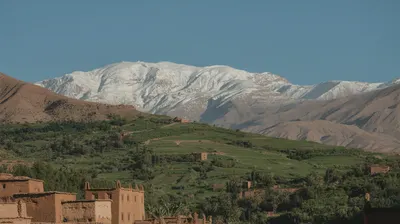
The Atlas is most comfortable in spring, early summer and autumn. The scenery is most dramatic in spring when the higher peaks still carry snow. Winter is beautiful but requires more careful route planning. The Toubkal area — Morocco’s highest summit — is accessible for trekking from April to October.
Month-by-Month Quick Guide
- January and February: cool and quiet, good for cities, excellent for desert stargazing with warm layers
- March: one of the best months overall — comfortable everywhere
- April: excellent, popular, book accommodation early
- May: warm and beautiful; the transition before summer heat begins in the south
- June: increasingly hot inland; coast and mountains become the best options
- July and August: very hot inland; plan around the heat or focus on coast and altitude
- September: improving conditions, good for broader circuits
- October: one of the best months of the year — recommended without reservation
- November: excellent for desert and cities; shoulder season pricing often available
- December: festive atmosphere, clear days, cool evenings — atmospheric and underrated
Our Recommendation
If you can choose freely, plan your first Morocco trip in April, May, October or November. These four months give you the best all-around conditions for cities, desert, valleys and mountains without requiring itinerary adjustments for heat or cold.
If your dates are fixed, do not be deterred. Every month in Morocco has something to offer, and a well-designed private itinerary can be adapted to make the most of any season.
Tell us your travel dates, arrival airport and number of days, and we will design a private Morocco itinerary that works with the season. Contact Siroco Tours for a tailored proposal.
Related reading: How many days do you need in Morocco? · Marrakech to Fes desert tour · Sahara Desert guide
Related Posts
Hiking and Trekking Guide in Morocco
With its breathtaking landscapes and remarkable geographic diversity, Morocco is a captivating destination for hiking and trekking enthusiasts. From the snow-capped peaks of the Atlas Mountains
How Many Days Do You Need in Morocco? 5, 8, 10, 12 and 14-Day Itineraries
A practical guide to choosing the right Morocco itinerary length, from the minimum desert trip to a dynamic two-week private tour with culture, nature and special activities.
Private Tour in Morocco vs Group Tour: Which Is Better?
A private Morocco tour gives you flexibility, comfort, better pacing and a deeper local experience, especially for families, couples and first-time visitors.