Culture
Between 2015 and 2025, Morocco successfully leveraged its diverse landscapes, political stability, skilled workforce, and attractive financial incentives to establish itself as the undisputed “Hollywood of North Africa.” The country hosted an estimated 150-200 major international film and TV productions, which directly injected over $1 billion USD into the local economy. The broader indirect benefits, particularly in tourism and global brand
Tour Specialist & Advisor
Published on August 16, 2024 · Updated on July 27, 2026
Originally from China, Thea has explored Morocco extensively for over 10 years. She specializes in recommending hidden corners from North to South.
Between 2015 and 2025, Morocco successfully leveraged its diverse landscapes, political stability, skilled workforce, and attractive financial incentives to establish itself as the undisputed “Hollywood of North Africa.”
The country hosted an estimated 150-200 major international film and TV productions, which directly injected over $1 billion USD into the local economy. The broader indirect benefits, particularly in tourism and global brand recognition, have cemented the film industry as a cornerstone of Morocco’s modern economic and cultural strategy.
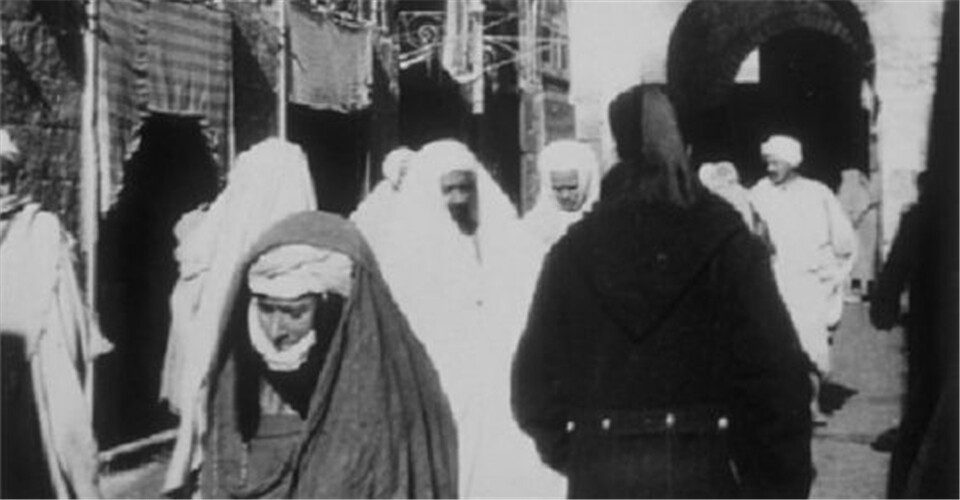
The oldest film in Morocco dates back nearly 120 years. In 1897, the French filmmaker Louis Lumière filmed his first Moroccan film, “Le Chevrier marocain,” the oldest foreign film to be filmed in the kingdom, if Luis Lumiere considered it a graphic boom. The discovery of the Moroccan territories is a film that is called for the advent of directors, screenwriters and putting the feet of Moroccan cinema on the track .
1. Casablanca
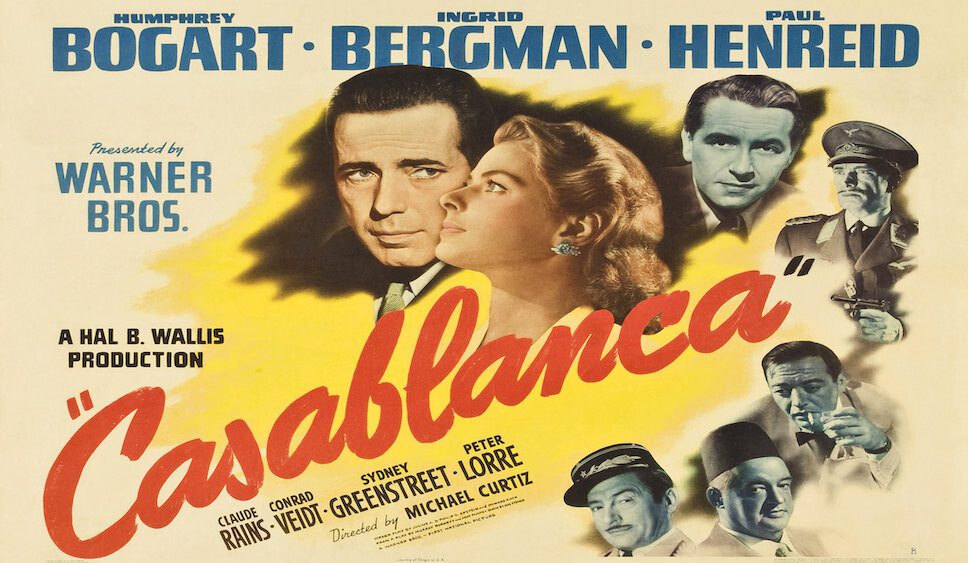
Few large metropolises owe as much to the cinema as the economic capital of Morocco and that despite the fact that the film that bears his name does not contain a single real shot of the city. But whoever searches for** Rick’s Café** will find it thanks to the initiative of an American girl in love with both the country and the film. It has perfectly recreated its environment and you just need to say Play it again, Sam so that we meet again Humphrey Bogart and Ingrid Bergman in one of the most famous scenes in the history of cinema. On the other hand, there are entire neighborhoods like the New Medina of 1923 that take us directly to that exotic Morocco passed through the celluloid screen.
2. Tangier
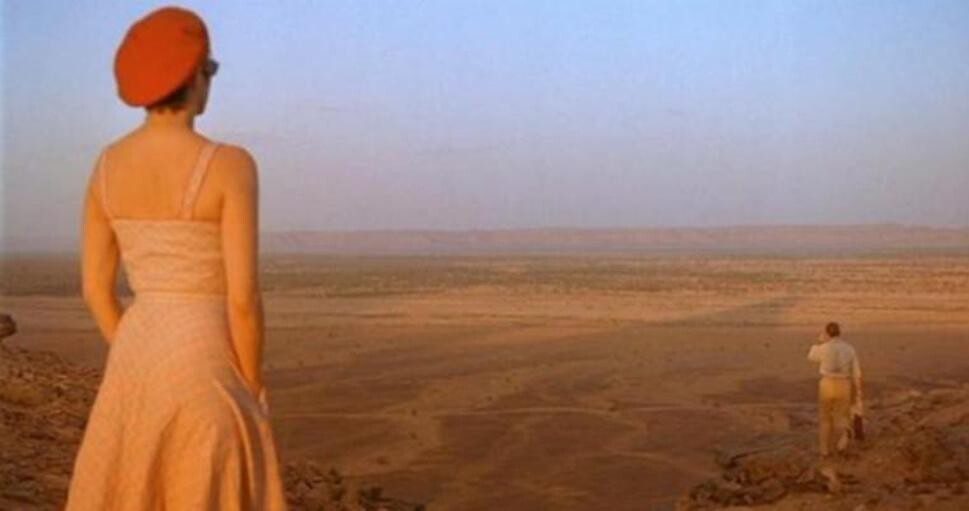
Surely there is no other city in the country where so many films have been shot that, in one way or another, have continued to feed the myth and legend that surrounds the most international enclave of Morocco. From Sheltering Sky , directed by Bernardo Bertolucci, where the character played by John Malkovich wanders nostalgically by the Hotel Minzah or the place of the souk Chico, to the N****aked Lunch by David Cronenberg, which recreates the experiences of William Burroughs between dream and reality. Passing through several films by André Téchiné, by Ricardo Franco or the Bourne Ultimatum, where such emblematic places as the Hotel Velázquez, the Café de Paris or the Boulevard Pasteur appear. Cinema has always felt a special weakness for Tangier, although perhaps none has been able to portray it as Farida Benlyazid in the La vida perra de Juanita Narboni**.**** **
3. Marrakech
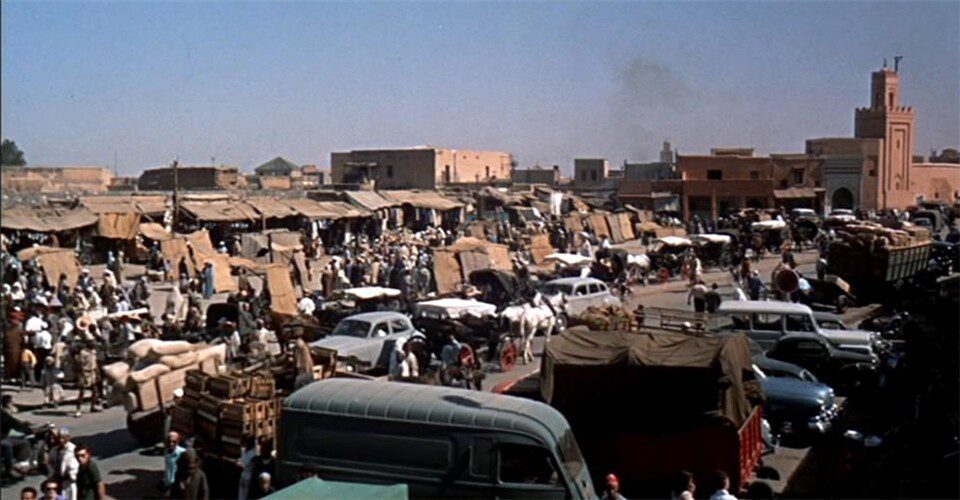
The most international and influential Film Festival, not only of Morocco but of all of North Africa, is completing its seventeenth edition this year. And it is that the red City long ago that entered the world of celluloid through the big door thanks to Alfred Hitchcock. Who does not remember Doris Day singing “what will be, will be” in The Man Who Knew Too Much (1956)? Although the real star of the film was the hotel La Mamounia that already, then, was considered one of the great ones. Now, that myth continues to endure thanks to a spectacular reform carried out by Jacques Garcia, who has turned it into a real palace of a Thousand and One Nights. It is still home to the great figures who come to the festival and many of the rich and famous who come to Marrakech looking for that movie town.
4. Ouarzazate
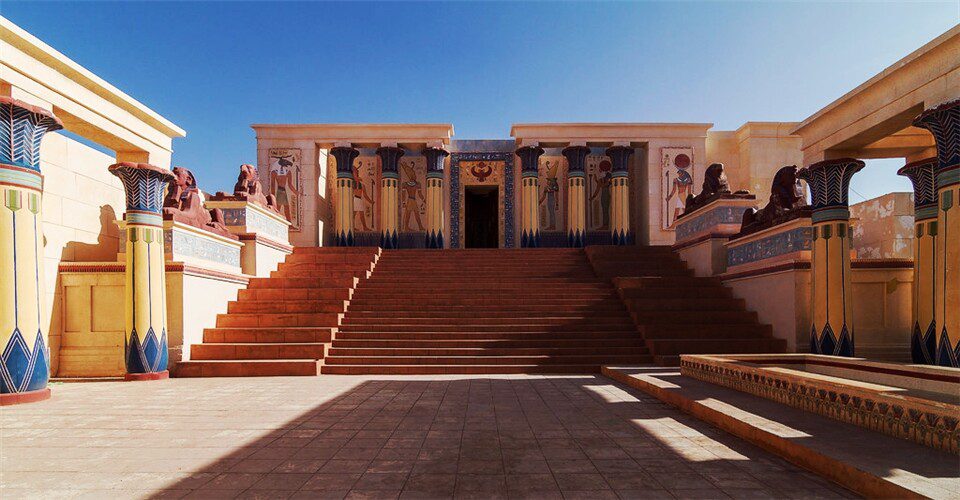
Considered the current capital of Moroccan cinema, Ouarzazate , at the gates of the Sahara, has spent years devoted to the film industry, which offers unique conditions. It has several studios, one transformed into the Museum of Cinema , in front of the Kasbah of Taourirt and where you can see countless sets of vintage films such as** Jesus of Nazareth**. Among the most successful spaces highlights the throne of King Solomon. Other large studios such as the Atlas, where famous films such as** Lawrence of Arabia** or **Babel **have been shot. Everywhere there are decorations and even the signaling of the streets reproduces a clapperboard.
5. Ait Ben Haddou
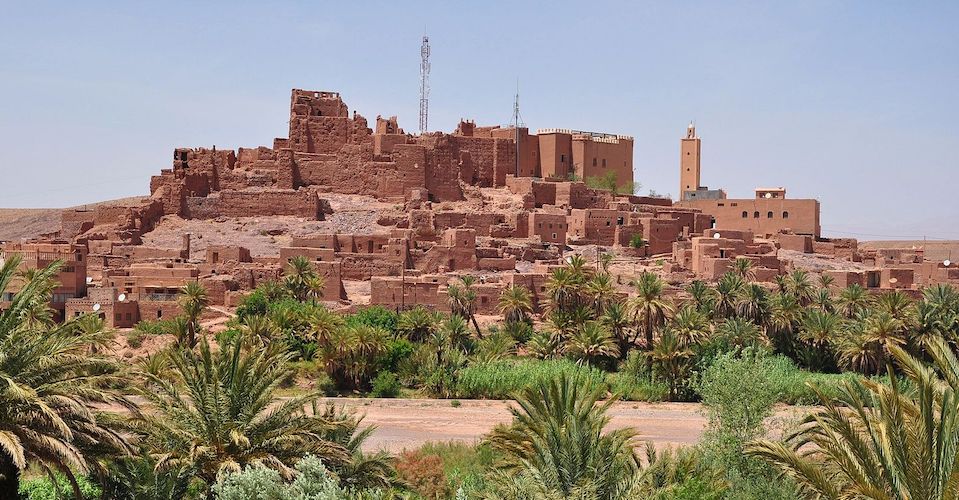
Among all the kasbahs or fortified villages built in clay in the south of Morocco, none has been used so many times in movies like this one, declared a World Heritage Site, a few kilometers north of Ouarzazate. From Gladiator to the** James Bond OO7: High tension**, passing by John Huston’s The Man Who Could Reign, or Michael Scorsese’s The Last Temptation of Christ , dozens of films have used this picturesque natural setting. It is not uncommon, on the other hand, to meet with workers building extensions of their walls to be properly destroyed during the next filming.
6. Essaouira
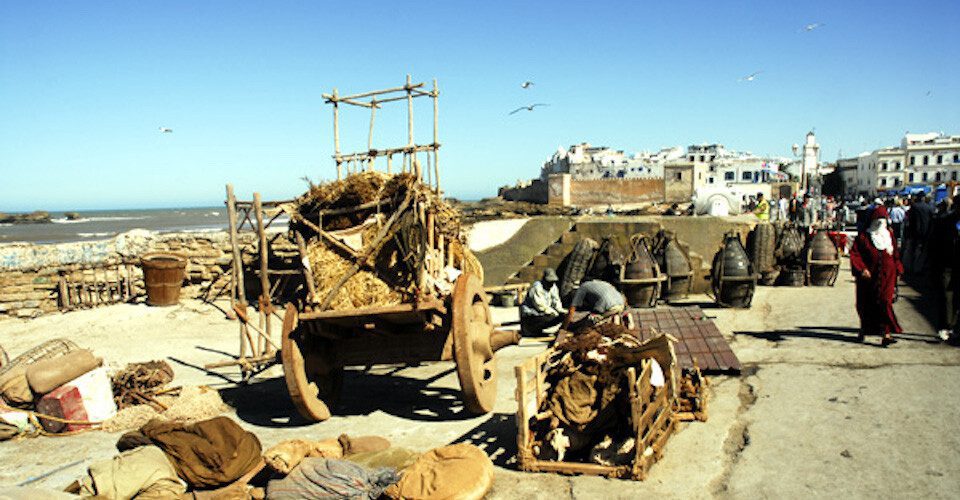
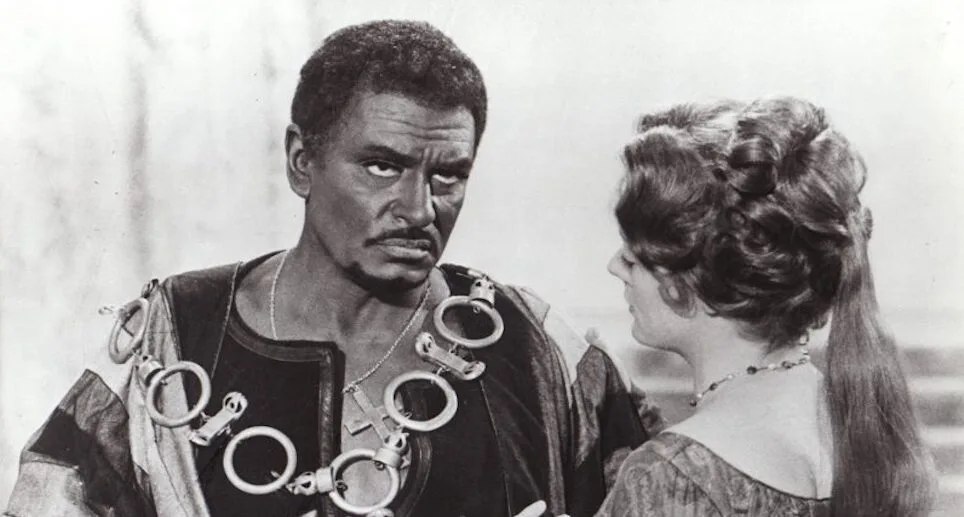
Although it has not yet made a film that really makes known this former Portuguese colony, the most attractive population of the Moroccan Atlantic coast already had its moment of cinematographic glory 60 years ago by the hand of Orson Wells. The author of Citizen Kane chose her to shoot the Othello, taking advantage of its medieval fortifications and the mysterious atmosphere of its medina. To thank him, the city erected a monument in the main square that can still be seen, in addition to giving his name to the Orson Welles hotel . Since then Essaouira has been used by great blockbusters such as Alexander the Great .
7. Fes
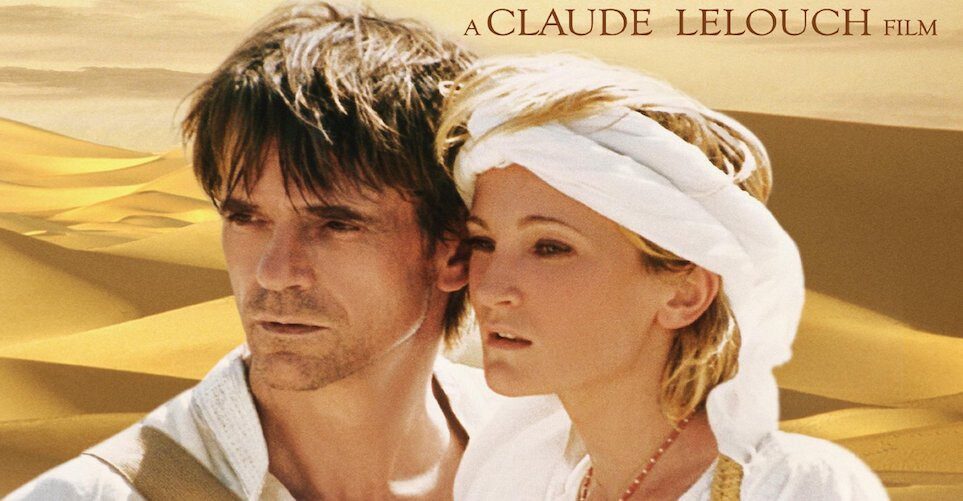
The best preserved Medina in North Africa, declared a World Heritage Site, has not gone unnoticed by the cinema and we have seen it in several films. The best known has been And now … Ladies and Gentlemen, by Claude Lelouch and played by Jeremy Irons, who in the film travels all over Morocco in a state of semi-amnesia that does not seem to prevent him from traveling. Although the city appears in all its splendor, the highlight is the Palais Jamai , the former residence of the Pasha , today converted into one of the most charismatic hotels in the country.
8. Tetouan
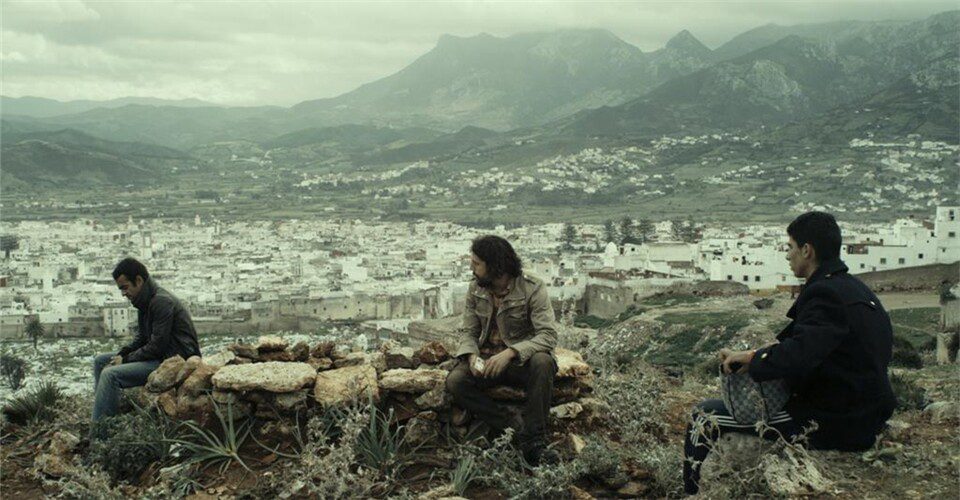
Although during the era of the protectorate, it served as the setting for some war movies such as Ruta Gloriosa, directed by Fernando Delgado in 1925, one must wait until recent years to rediscover Tetuan on both the big screen and the small one. On the one hand, the new Moroccan cinema has agreed with** Death for Sale** , director Faouzi Bensaidi, being selected by the Moroccan Cinematographic Center (CCM) to represent Morocco at the 2013 Oscars.
9. Some famous movies
Othello
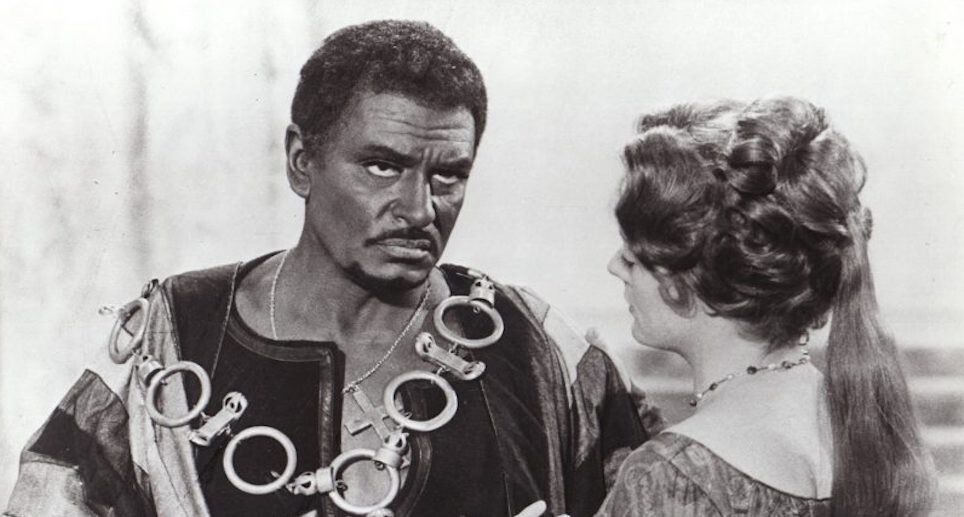
In the late 1940s, the Kingdom of Morocco hosted a film called “Othello” by Orson Wells, adapted from Shakespeare’s great play. The film was filmed in the Moroccan city of Essaouira. In the Cannes Festival of 1952, in the name of Morocco because he found that a set of conditions and compressors that prevented him from presenting his film on behalf of his country, the United States, or France or Italy (co-producers).*
Lawrence of Arabia
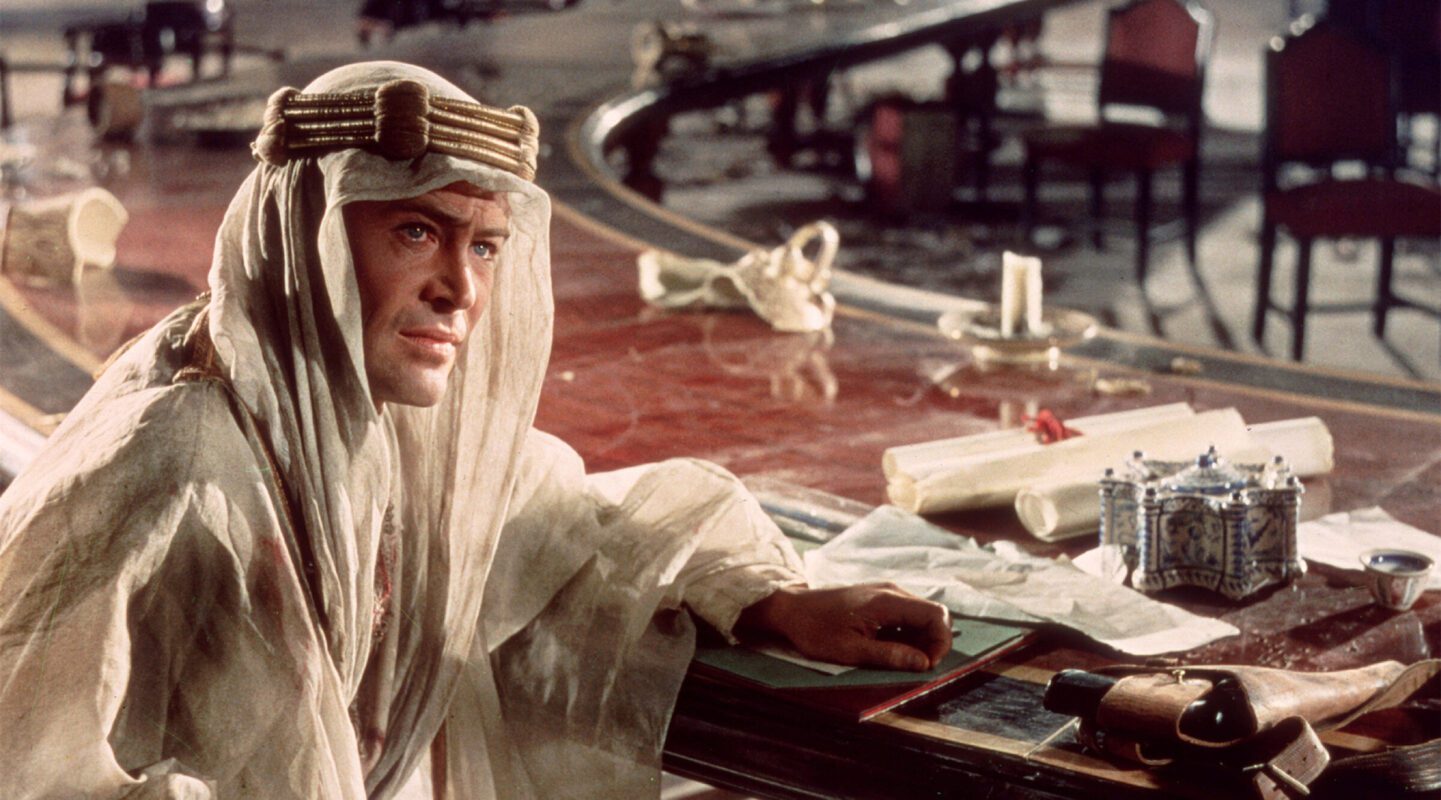
In 1962, parts of the film “Lawrence of Arabia” were filmed in Morocco. The film was directed by British director David Lynne and produced by Sam Spiegel, starring Peter O’Toole as Lawrence and Omar Sharif as Sherif Ali. The film won the Oscar for photography.*
The story revolves around a true story about the life of British officer Thomas Edward Lawrence, who was part of the English forces in Cairo during the First World War. His intelligence is sent to the Arabian Desert to help Prince Faisal in his revolt against the Ottoman sultan. Lawrence organized a guerrilla war that caused great disturbance to the Ottoman Empire.*
The Gladiator
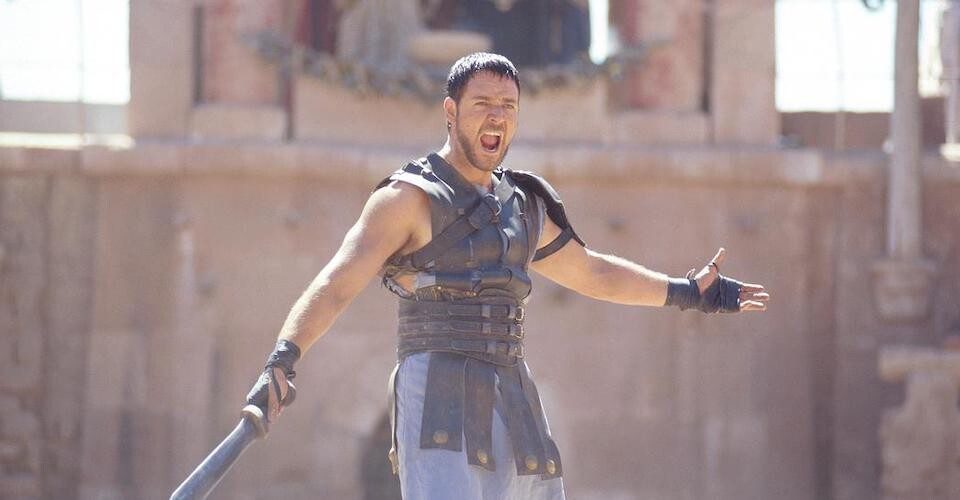
In addition, embracing Ouarzazate**,** south of the Moroccan Atlas Mountains, the film Gladiator, directed by Ridley Scott , winner of five Academy Awards** Oscar in 2001, including the best film award, also won the Golden Globe Award Golden Globe *for best film drama and best music.
The wrestling film is about the desire of Roman General Maximus to take revenge on Comodos, the son of the Roman Emperor Marcos Aurelius, who killed his wife and children and robbed his freedom to make him a wrestler fighting to death .*
Alexander, the Great
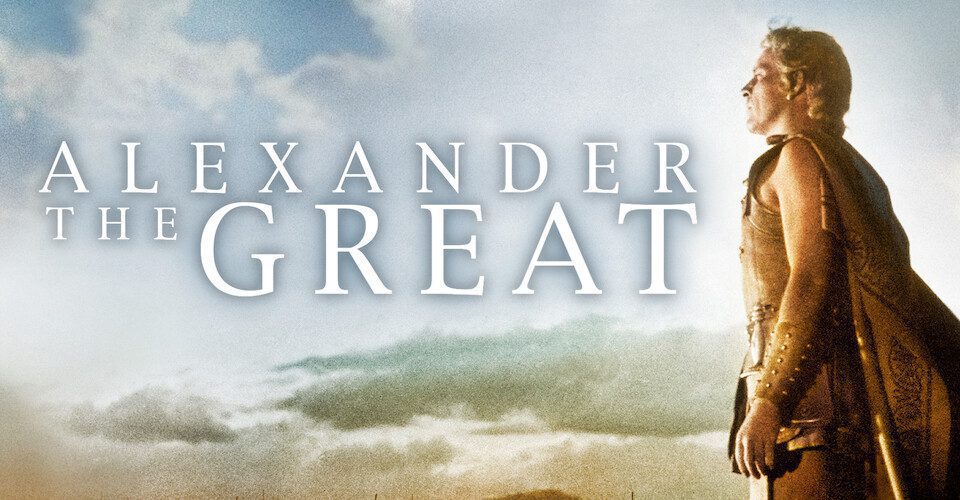
In 2003, the Moroccan cities of Marrakech, Essaouira and Ouarzazate received the filming of the 200 million euro film “Alexander the Great.” The film, directed by Angelina Jolie, Anthony Hopkins and Val Kilmer, tells the story of the life and conquests of the historic Roman leader Alexander the Great.*
Kingdom of Heaven
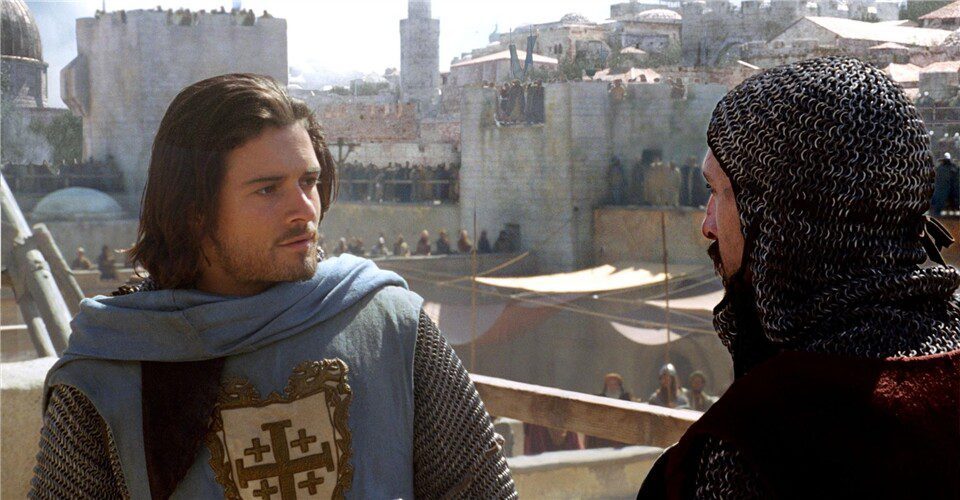
One of the most important films filmed in Morocco is the film “The Kingdom of Heaven”, which was shown in cinemas in 2005. It tells the story of the opening of the Islamic leader Salah al-Din of Jerusalem, directed by Ridley Scott, starring Ghassan Massoud, Orlando Bloom, Khaled al-Nabawi, Leson.*
The story is based on the text during the Christian Crusades in the twelfth century AD**.** The story of Haddad Balian from a French village that goes to Jerusalem to participate in the battles between Christians and Muslims in attempt to recover the Muslims of the city led by Salah al-Din.*
Babel
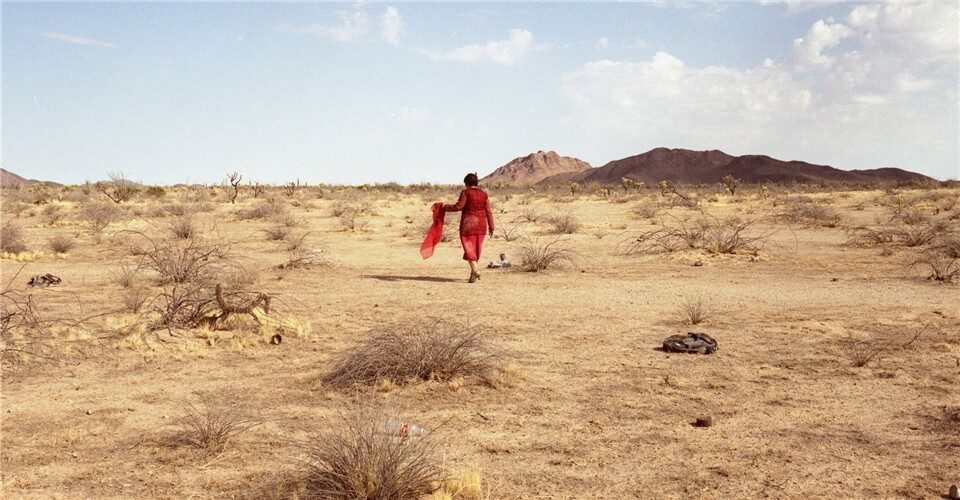
In 2006, the film “Babel” directed by Alejandro González Inarrito and Guillermo Arriaga, composed of three full-length dramas, revolves around Brad Pitt and Kate Blanchett, won 28 awards, including Oscar for best soundtrack He was nominated for 75 awards, and the Moroccan village of Tazarin, where some of the scenes were filmed, gained international popularity following the success of the film .*
The film tells the story of two children who care for their family’s herd of cattle and decide to test their hazelnuts. But when one of the shots goes too far, the lives of five groups of people change on three different continents. The groups include American couple Brad Pitt and Kate Blanchett, And a Mexican nanny accompanied by two American children crossed the border. These two children are the sons of the American couple and the nanny wanted only to attend a wedding in the family, but that would cost a lot.*
Queen of the Desert
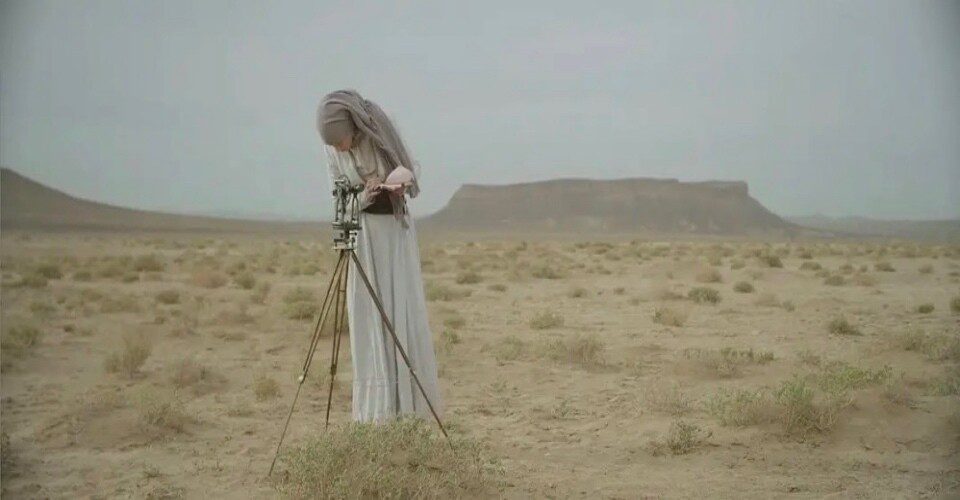
Morocco also embraced the film ” Queen of the Desert ” by German director Werner Hertzog in 2015, starring Australian actress Nicole Kidman. The film tells the true story of archaeologist and historian Gertrude Bell who traveled to Iraq Syria, Jordan, Iran, Egypt and others as an advisor to the British High Representative Percy Cox in the early 20th century and played a very important role in arranging the situation of the region after the First World War.*
Famous Films & TV Series Shot in Morocco (2015-2025)
On screen, Morocco has mastered the art of being a “versatile stand-in” and a “dream weaver for cinema.” Its diverse landscapes—from the Sahara’s endless dunes and ancient kasbahs to modern cityscapes and rugged coastlines—allow it to convincingly transform into alien planets, epic battlefields, the mysterious Middle East, and even historic Europe. This chameleon-like quality has made it the backdrop of choice for blockbusters ranging from Dune and Gladiator to the Star Wars saga.
Beyond merely providing scenery, Morocco has solidified its role as the “Hollywood of North Africa.” It boasts a mature film ecosystem with world-class studios, skilled local crews, and attractive financial incentives. This professional infrastructure not only draws dozens of international productions each year, generating significant revenue, but also projects the country’s cultural allure onto the global stage, transforming cinematic appeal into powerful soft power.
Visit Aït Ben Haddou and Ouarzazate on our Charms of Southern Morocco tour or the 12-day grand tour . See all tours .
Contact us for more travel information!
Related Posts
Paul Bowles – The American writer who brings us Morocco
Have you encountered the work of Paul Bowles? This American writer, composer, and inveterate traveler is the perfect guide to the soul of Morocco. Let his words transport you to its sun-drenched lands while you await your next journey. The relationship between Paul Bowles and Morocco represents a profound mutual fulfillment in 20th-century literary history.
Enjoying a solo trip in Morocco
Traveling alone is a profound practice of self-dialogue. Journeying is the best way to broaden your horizons, draw inspiration, and transform your life into a story that inspires others. Solo travel allows you to rediscover your true self through unexpected surprises and encounters along the way. If traveling alone is so rewarding, and you seek
Ancient Myths of Morocco
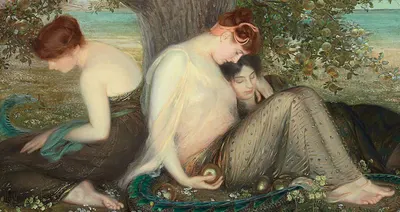
In Morocco, several Greek myths and legends have left their traces. The Greeks thought that the oceans formed a belt of water delimiting the world. The geographical position of Morocco, at the western end of the known world, made it a land of confines. Morocco has thus nourished the legend of Greek mythology. The rational